
Critics Claimed PHEVs Don’t Make Sense. Toyota Just Proved Them Wrong
Staff • 13 Jun 2026 • 2 min read
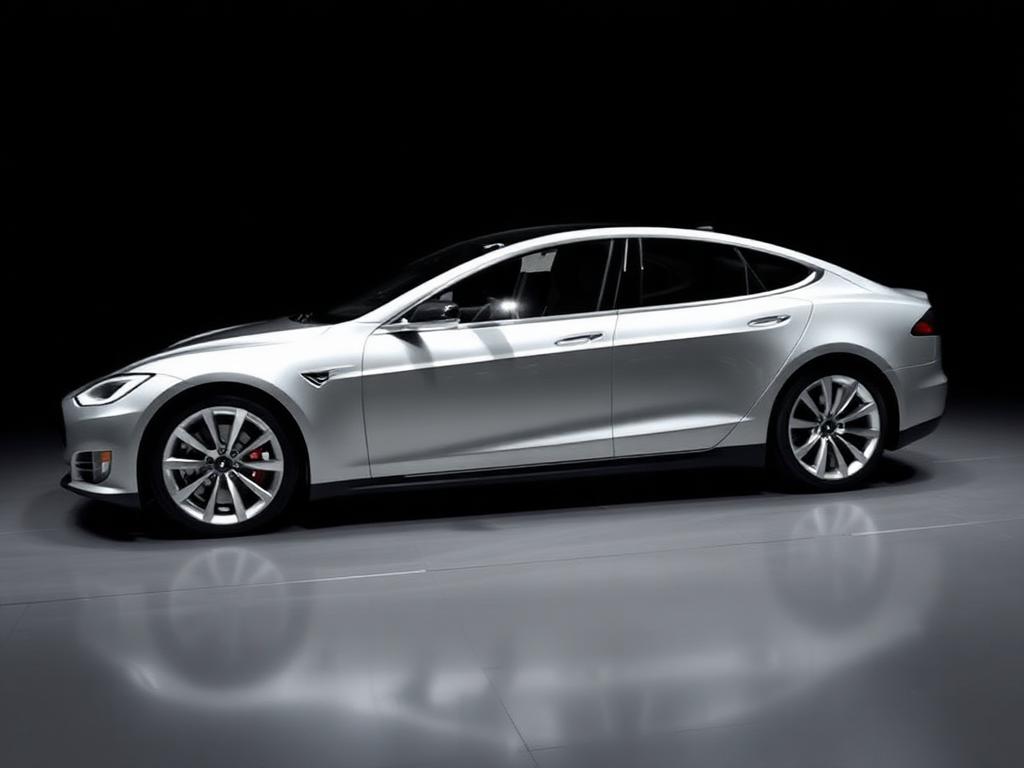
A recent study conducted by Toyota across the United States and Canada indicates that plug-in hybrid electric vehicle (PHEV) owners are consistently utilizing the electric capabilities of their vehicles, with a significant majority charging daily. This finding challenges previous criticisms asserting that PHEVs seldom operate on electric power.
Toyota has released a study demonstrating that owners of its plug-in hybrid electric vehicles (PHEVs) in the United States and Canada are actively engaging with their vehicles' electric capabilities. The research, which analyzed driving and charging data, found that an impressive 80% of Toyota PHEV owners plug in their vehicles daily, while 90% charge at least every two to three days.
This consistent charging behavior directly contradicts a prevailing narrative that suggests PHEV owners often neglect to charge their vehicles, thus primarily relying on the internal combustion engine. The study's findings indicate that PHEVs are indeed being used as intended, leveraging their electric-only range for daily commutes and shorter trips before the gasoline engine activates for extended journeys or when the battery is depleted.
The data further revealed that approximately 75% of the total distance traveled by these PHEVs was accomplished using electric power. This significant proportion underscores the environmental and economic benefits realized by owners through reduced fuel consumption and lower emissions. The study encompassed models such as the Toyota RAV4 Prime and Prius Prime, both popular choices within the PHEV segment.
Toyota's commitment to a multi-pathway decarbonization strategy, which includes HEVs, PHEVs, BEVs, and FCEVs, is reinforced by these results. The company views PHEVs as a crucial bridge technology, offering consumers the flexibility of electric driving with the reassurance of a gasoline engine for longer distances, addressing range anxiety, and catering to varied infrastructure availability. The consistent charging habits observed in the study suggest that PHEVs are effectively contributing to emissions reductions even before a full transition to battery electric vehicles becomes universally feasible.
ArabianEV angle
Toyota's PHEV study holds significant implications for the GCC market. With growing interest in sustainable mobility but varying charging infrastructure maturity, PHEVs offer a practical solution for regional buyers. The demonstrated high usage of electric range could make models like the RAV4 Prime and Prius Prime particularly appealing in the UAE and Saudi Arabia, providing efficiency for city driving in hot climates while mitigating range concerns for longer trips across the region.